


Developing a concept for your product
The world around us is changing at a rapid pace. For the success of your organization, it is therefore crucial to continuously innovate. Concept development forms the core of this process. In this phase, we work together to transform your creative ideas into concrete concepts that ultimately lead to products and services that offer value to your customers.
A concept is a preliminary design, or plan, for your idea and forms the basis for the realization of your product. By developing concepts, we can test, evaluate, and refine your ideas at an early stage. We do this using our extensive toolset, which includes brainstorming sessions, sketching, 3D modeling, creating physical models, testing, and evaluating feasibility.
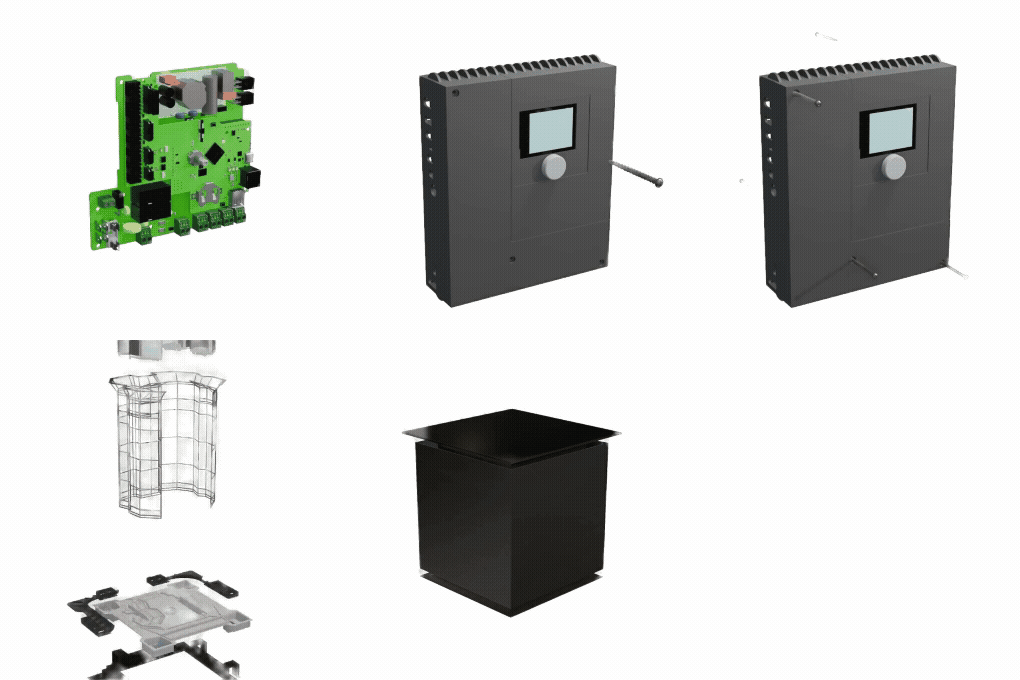
- We collaborate with you
We don’t work for you, but with you. That you way you will stay involved and can keep control over your idea. - Specialist at the ready
You will have direct contact with the specialists who work on realizing your idea. Spar directly with the right specialist. - Direct lines
Would you like adjustments to your idea? Due to the direct line of communication we can act quickly to make it happen. - The IP remains yours
The Intellectual Property (IP) is always yours. We are happy to help you take care of the paperwork.
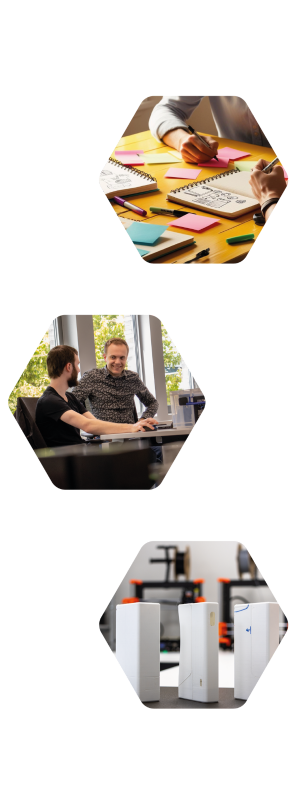
What is concept development in product development?
During concept development, the following steps are taken:
1. Generating and evaluating ideas: We generate various ideas through brainstorming sessions. We then evaluate these based on feasibility, market potential, and their fit with your business objectives.
2. Concept development: The ideas that emerge from the evaluation round are further developed into detailed concepts, including a description of their functions, benefits, and the criteria of the target audience.
In this phase, multiple concepts are created, which are then tested against the Program of Requirements. The most promising concept, or a merged concept, is then used to create a final concept. This final concept forms the basis for the very first prototype.
3. A-sample: A first, detailed prototype, also known as an A-sample, is made from the concept with the most potential. We use this to conduct initial user tests to evaluate its usability, effectiveness, and overall satisfaction.
4. B-sample: Subsequently, a design iteration is performed on the A-sample (if necessary) based on the test outcomes. In most cases, these are not major adjustments. We then test this B-sample again.
The importance of concept development
Through concept development, we can identify the ideas with the greatest potential for success. It is an important step for the following reasons:
Advantages of concept development

Reduces risks: By thoroughly evaluating and testing concepts before they are launched, the chance of failure is reduced, and you save valuable resources.
Increases the chance of success: Concept development helps in identifying the most promising ideas with the greatest potential to appeal to your customers and be profitable.
Stimulates creativity: The concept development process provides the space to build upon your initial idea.
Improves customer satisfaction: By developing concepts that are focused on the needs and desires of your customers, you are able to create products and services that lead to higher customer satisfaction and loyalty.
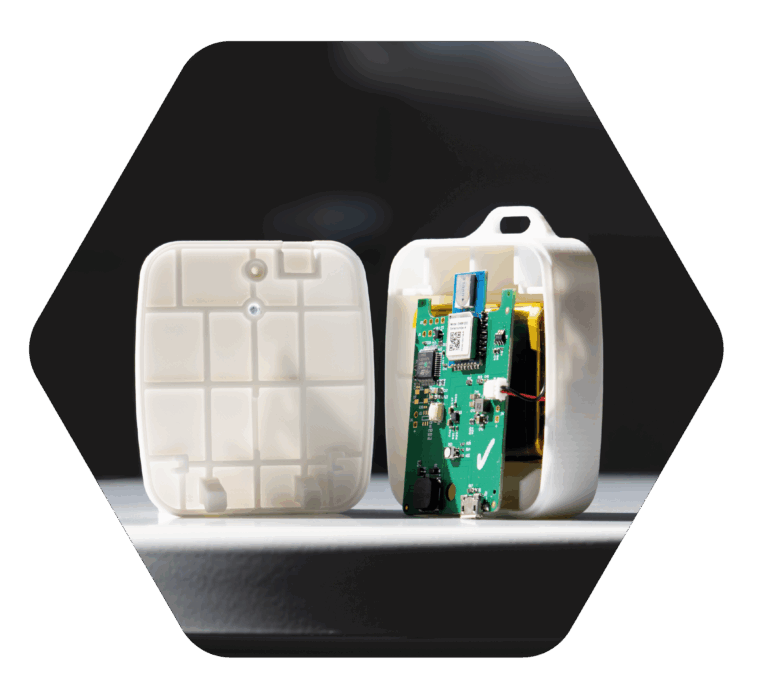
The making of prototypes
Prototypes are a tangible model of your product idea. Their purpose is to test and refine the design before investments are made in a flawed design or an inadequate product. You use them to determine and improve the quality of your product.
Prototypes are made in various ways, ranging from simple and fast prototypes made of paper or cardboard to complex, working models that resemble the final product.
Prototypes make it possible to see if your product actually works and meets user needs. They also help you prevent costly mistakes at a later stage. Additionally, prototypes are a powerful tool for communicating about your idea with others. They help people to better understand your idea and provide feedback.
Different types of prototypes
There are different types of prototypes you can use, depending on your objectives and budget:
1. Low-fidelity prototypes: These are simple, fast, and inexpensive prototypes often made from paper, cardboard, or other simple materials. They are used to test the basic concepts of a product.
2. Mid-fidelity prototypes: These prototypes are more detailed and can contain interactive elements. They often involve the use of rapid prototyping and 3D printing. Mid-fidelity prototypes are used to test the functionality and user-friendliness of a product.
3. High-fidelity prototypes: These are highly detailed prototypes that closely resemble the final product. 3D printing and rapid prototyping are also heavily used for these prototypes. High-fidelity prototypes are used to test and finalize the design before it goes into production.
At Beeliners, we employ a multidisciplinary approach when making prototypes. Our experts work on your concept from various specializations. Consider, for example, the integration of circuit boards and software.
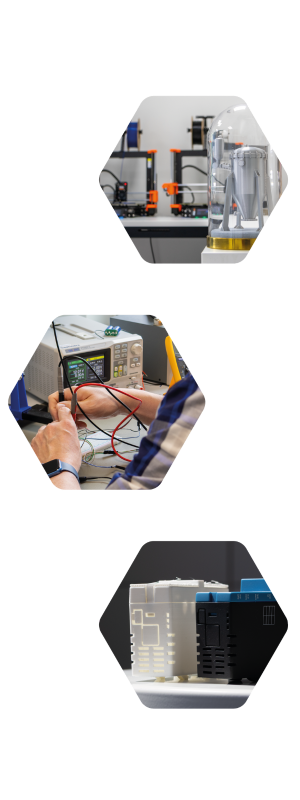
“Together we make your idea reality.”
Do you have a product idea that you want to bring to life? Our experts are ready to develop your product and bring it to the shelves. An initial consultation is always free. Get started today!

Tools & techniques we apply
Proof of concept
With a proof of concept, we test the feasibility of your product concept. The intention is to use a proof of concept to define and realize the “showstoppers” of your idea, allowing you to test if your solution truly solves the problems of your target audience.
Prototyping
In the concept development phase, we create an initial prototype, or A-sample. With this, we test various aspects, such as what users think of the concept visually and whether it works as intended. Based on the outcomes, we can improve the prototype into a B-sample.
3D models
By creating 3D models, we visualize your concept. This is a good way to test the form and feel of your concept.
Concept development with Beeliners
Partnering with Beeliners on concept development means that we brainstorm with you about your ideas and their technical feasibility. We quickly make the concepts tangible by converting them into an A-sample. With this, we test whether your concept is feasible.
Subsequently, we develop a B-sample that allows us to test various aspects of your concept directly with users. This enables us to make timely adjustments before we develop the concept into an actual product for the market. Curious about what we can achieve together? Feel free to contact us for a no-obligation consultation!

4 awards for product innovation
17 products developed
in 2024
Supported more than 48 companies
Do you have a challenge for us?
Our product developers are ready to start on your innovative ideas! Do you have an idea, a question or a challenge about product development? Our team of specialists are ready to turn your ideas into reality. Don’t hesitate and feel free to contact us. We’d love to hear from you!
Our craftsmanship
Recent projects

-

Haeyven – Antagonist
-
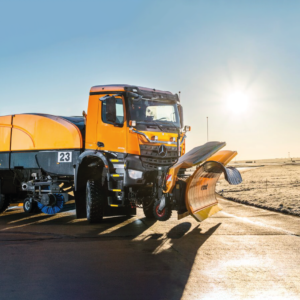
Snowplow Gateway/Sensor
-
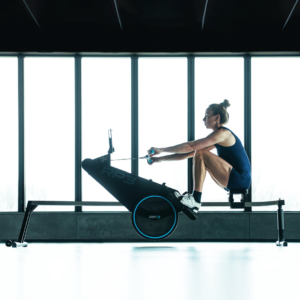
Sports equipment
-

Hydrogen fire protection
-
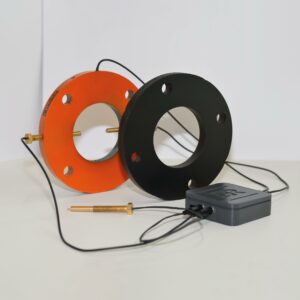
IoT Flange
-

Covid Handwash Timer
-
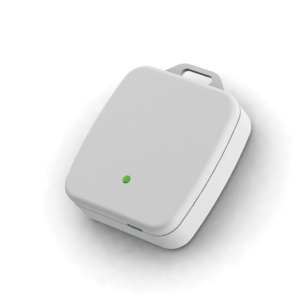
BeeAlert
-
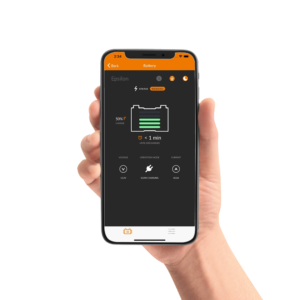
Bee in Charge App
-
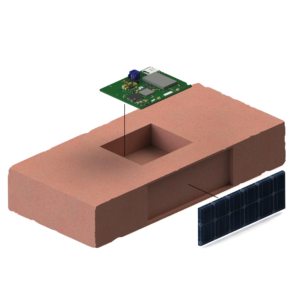
Digital Brick
Our insights, lessons and vision on product development
-

The multidisciplinary approach of Beeliners
Many product development trajectories experience delays because disciplines only start communicating with each other at a late stage. The hardware works, but does not fit the design. The software does what it needs to do, but the controls do not feel intuitive. Or technical limitations arise that could have been prevented earlier. At Beeliners, we…
-

Proof of Concept (PoC): what is it and why do you need it?
You have a strong idea for a new product. It feels logical, it sounds promising and you can envision clearly what it could mean to your customers. But an idea only becomes valuable when it truly works in practice and when you can convince others that it’s a good idea. You want to know whether…
-

Program of Requirements (PoR): what is it and what does it include?
You have a promising idea for a new product. The first sketches feel logical, the direction seems clear and everyone shares the same vision. As soon as you dive deeper into the development process, doubts arise: Should the product also support these functionalities? Which materials are suitable? And what does the user need? When the…